Something that has made me quite curious is the fact that many of the homes in our village (we live in a village!) have names. A quick Google search tells me it’s a common practice and has been for ages but my curiosity wasn’t quite satisfied with that little bit. So, now, I’m on a quest for information. It harkens to my “Bringing Back Sligo” days with one tiny difference which is, England is old and full of customs and the record keeping is vast; this may be a rabbit hole from which I never emerge from (Spoiler alert: It was).
There are all of two things I know for certain: The house we live in is named “Newlyn” and it was built during the Edwardian era which was from 1901 to 1910. Going off those two things I began my search. In true ADD fashion my thoughts are never linear and I have no less than a baker’s dozen tabs open on my browser and when another idea hits me I, oh look at the kitty!
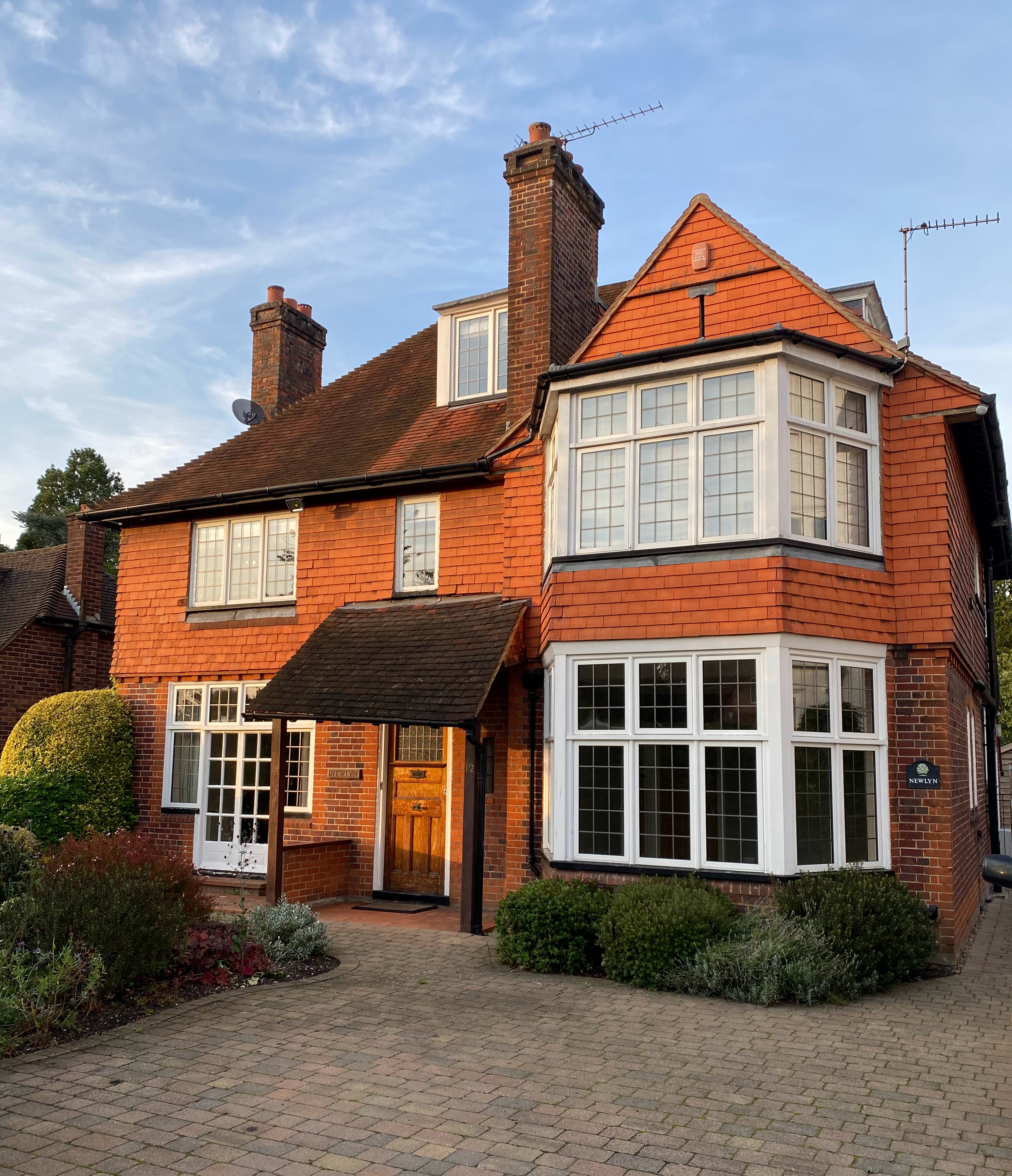
Fact number one, the house we live in goes by the name of “Newlyn.” This was super confusing at first because we weren’t aware of the whole houses have names thing so, any time we saw paperwork with the name “Newlyn,” we just assumed it was the surname of our landlords. Once we realized that “Newlyn” was the name of the home, we started to pay attention and began noticing all of the house names.
Newlyn is a name that I am not familiar with and I do not think it is the surname of any previous owners. Naturally, then, I had to figure out what “Newlyn” meant. Depending on who you ask it’s either Celtic, Welsh, or English in origin. In Celtic the name “Newlyn” means “born during the spring.” In Welsh, it means “new lake” or “new pond.” In English it means “from the shrine of Saint Newelina.” Newlyn is also a Cornish seaside fishing town and port so do what you will with that information.
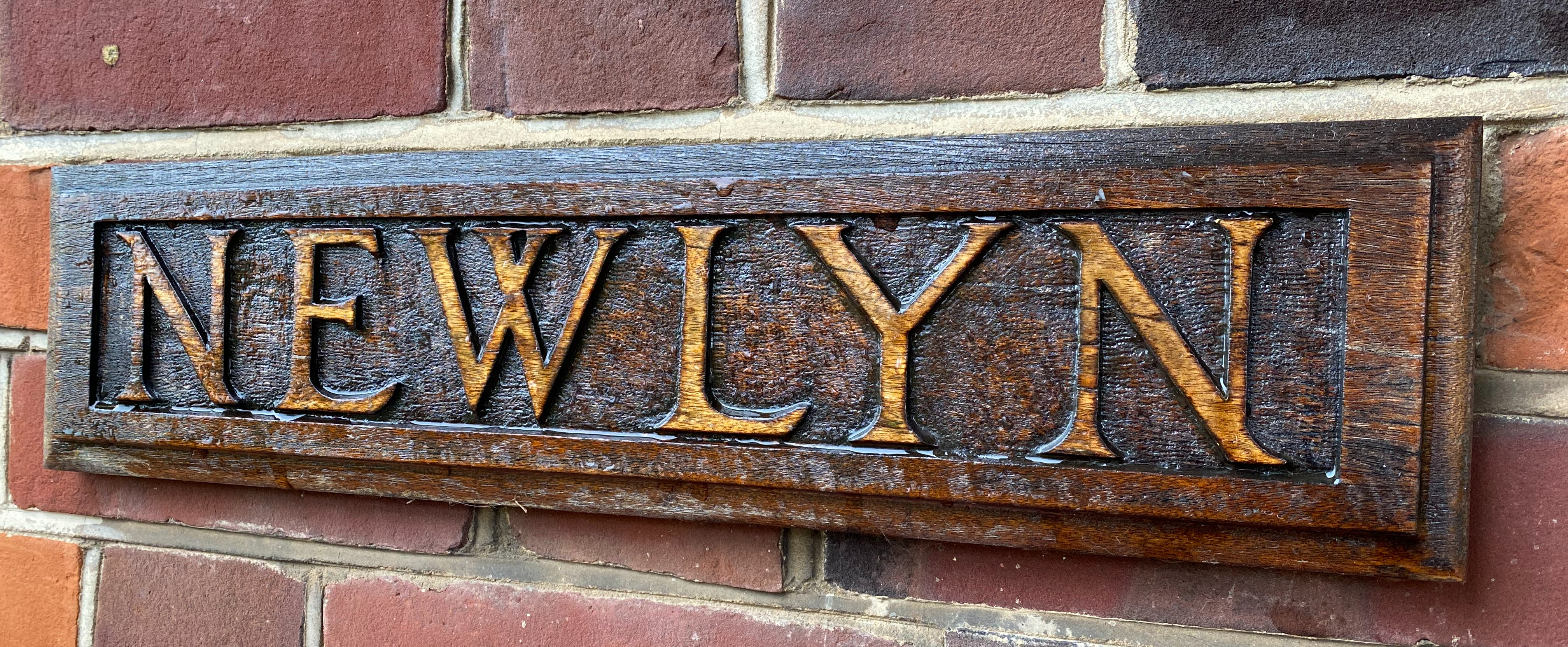
Not all house names are especially unique. For example, there is a house on the corner named “The Corners.” I guess the original owners were less than inspired. Other houses are named after famous places or perhaps places that the owners loved to visit or felt a connection. All of this information made me rethink why our Fredericksburg home was named “Sligo” hundreds of years ago. I always thought there was a Sligo, Ireland link but none of the previous owners were Irish. Now I realize whoever named “Sligo” might have done so because they had once been and loved it and felt the same way about the land in Fredericksburg.
Naming houses dates back centuries to when the landed gentry would name their properties after themselves. This worked for some time as villages were small and homes were easily identifiable with just a name. In 1765, as Britain became more industrialized and families began moving around, British Parliament enacted a law that required homes to be numbered. This reduced confusion for new families moving to the area who were not familiar with the locals nor their names.
So, there you have it, why many homes in the U.K. have a name. It’s a tradition that continues despite the redundancy of it and I find it charming. If you could name your house, what would it be? I think mine would be “Pet Paradise” so I can manifest my dream of owning all the pets.

 The Traveling Tepaskes
Leave a comment